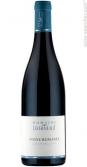
Domaine Hubert Lignier - Morey-Saint-Denis Trilogie 2022


Price: $129.99
| Producer | Domaine Hubert Lignier |
 | |
| Country | France |
| |
| Region | Burgundy |
| |
| Subregion | Cote de Nuits |
| |
| Varietal | Pinot Noir |
| |
| Vintage | 2022 |
| |
| Sku | 37170 |
| |
|
The trilogy of Chenevery (60%), Les Porroux (30%) and 10% Clos Solon was all planted by Laurent’s grandfather, planted between the late 1940s and early 60s. Just a little deeper in colour, and with some reduction, plus also slightly more oak, but well judged. Notably more precision here, what Clive Coates would call grip, and extra intensity towards the back. A slightly darker red fruit in this wine, and very persistent. Drink from 2029-2036. Tasted Nov 2023.-- Jasper Morris: 91-94 Points
Decanter Magazine: 94 Points
After a somewhat disappointing 2021, Lignier's Trilogie is back in fine form in 2022, with dense blackberry fruit aromas and tar, earth and spice notes underscored by a dark chocolate note. The texture is substantial and tannic – an imposing village-level wine. The grape blend is based on the Chenevery lieu-dit (60%) with the addition of fruit from old cordon-trained vines in the clay-rich soils of Clos Solon and a bit of Les Porroux on the border of Chambolle. Marvellous.
Vinous: 90-92 Points
The 2022 Morey-Saint-Denis Trilogie, based around 60% from Chenevery, has a well-defined bouquet of vivacious red berries, tart red cherries, citrus, and a touch of white chocolate. The palate is well-defined, with a smooth texture and a keen bead of acidity. It is quite saline in the mouth with a slightly austere finish at the moment, but it will fill out with time in bottle. One for the patient amongst you.
Wine Advocate: 90-91 Points
The 2022 Morey-Saint-Denis Trilogie is a success, wafting from the glass with aromas of plums, peonies, raw cocoa and vine smoke. Medium to full-bodied, supple and sapid, with powdery tannins and a persistent finish, it's the usual blend of Chenevery, Porroux and Clos Solon. Laurent Lignier picked his domaine holdings and négociant purchases, the latter amounting to the equivalent of some 3.5 hectares of vines, over the first dozen days of September, opting to retain around one-third whole bunches across the whole range. As readers will remember, winemaking is pretty classical at this address, with a short cold maceration, two to three weeks of maceration with one pigéage and one rémontage per day and maturation in barrels, some third of which are new—if possible, without racking—for fully 22 months in the domaine's cold cellars.